
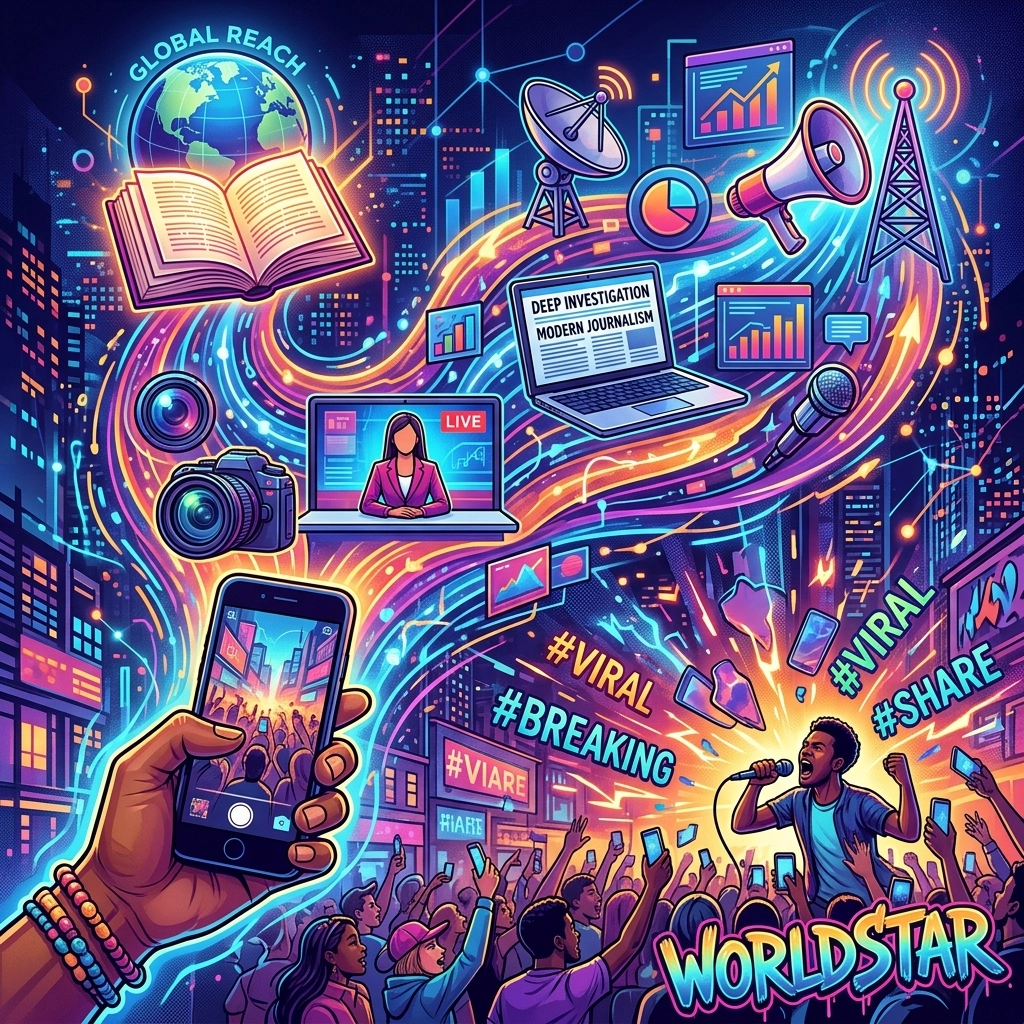
If you grew up in the late 2000s, you know the sound. It’s loud, it’s distorted, and it’s usually followed by a shaky camera angle of a chaotic scene at a gas station or a high school hallway. Somebody yells, "WorldStar!" and suddenly, that thirty-second clip is the most important thing on the internet.
But if you think WorldStarHipHop and the platforms that followed it: like The Shade Room, SayCheese, and even TikTok: are just for fight videos and "clout chasing," you’re missing the bigger picture. We aren't just watching clips anymore; we’re watching the complete dismantling and rebuilding of how news is delivered to the Black community.
I’ve been watching this shift for years from my seat here at PolitiKan Broadcasting, and I’ve realized something: the "WorldStar" shout wasn't just a meme. It was the birth of a new kind of digital journalism that the mainstream media is still trying to catch up with.
The Evolution: From Fight Comps to Front-Page News
Back in the day, if something happened in our neighborhoods, we had to wait for the 6 o'clock news to tell us about it: and usually, they’d get the story wrong, frame us as the villains, or ignore it altogether. WorldStar changed the game by giving the "everyman" a platform.
It started with the "raw and uncut" aesthetic. It wasn't polished, and it wasn't biased toward a corporate narrative. It was just there. Over time, that raw energy shifted. Those same people who were filming street fights started filming police interactions, community rallies, and political debates.
What we’re seeing now is the professionalization of the viral clip. Platforms that started as aggregate sites for "ratchet" content have evolved into massive engines for modern digital journalism. They move faster than CNN, they have more "boots on the ground" than the New York Times, and they speak a language that resonates with us. When a story breaks in the culture, I don't go to a news site; I check the comments on a viral post. That’s where the real reporting is happening.

The Power of the Pocket-Sized Press Pass
The biggest shift in the last decade is the democratization of the "press pass." You don't need a degree from Columbia or a fancy badge to be a journalist in 2026. All you need is an iPhone and a decent data plan.
I call this "Citizen Journalism 2.0." In our community, this is vital. We’ve seen time and again that the most important stories: the ones that spark movements and lead to political change: start with a viral video. Think about the social justice movements of the last few years. They didn't start with a press release; they started with someone having the guts to hit "record" and upload it to a platform that wouldn't censor the reality of the Black experience.
The "why" behind this is simple: Trust. We don't trust the traditional gatekeepers because they’ve historically shut us out. We trust the person on the street with the camera because they’re living the same reality we are. This has forced traditional news outlets to change how they operate. Now, they’re the ones sourcing clips from viral platforms, trying to catch a vibe they didn't create.
The Algorithmic Trap: Who’s Really Controlling the Narrative?
Now, I have to keep it 100 with you: it’s not all sunshine and viral fame. While these platforms have given us a voice, we’re still playing in someone else’s backyard. Whether it’s Instagram, TikTok, or the new-age aggregate sites, the "Algorithm" is the new editor-in-chief.
The incentive for these platforms is "engagement." And what engages people the most? Controversy, conflict, and chaos. This is where the journalism part gets tricky. If a platform prioritizes a video of a rapper getting his chain snatched over a video of a local city council meeting that’s going to raise your rent, what does that do to our community’s collective IQ?
I see it every day. We get fed a diet of high-stakes drama because that’s what "clicks." This is "algorithmic gatekeeping." It shapes what we think is important. If the algorithm decides that Black pain or Black-on-Black conflict generates the most revenue, that’s what we’re going to see. As digital journalists and consumers, we have to be smarter than the code. We have to seek out the news that matters, not just the news that makes us mad.
The "VladTV" Effect: When Content Becomes Evidence
We can’t talk about the evolution of viral journalism without talking about the legal side. We’ve seen a massive trend where "the culture" and "the courtroom" are colliding. Whether it’s the DJ Vlad interviews or the SayCheese sit-downs, we’re seeing a new phenomenon: the "Viral Deposition."
Recently, we’ve seen artists and influencers get caught up in legal dramas: think AllStar JR or even the YSL case: where digital content is being used as primary evidence. This is the dark side of modern digital journalism. When the line between an "interview" and an "interrogation" gets blurred for the sake of views, the community pays the price.
The incentive for these platforms is to get the "scoop," but at what cost? We’re seeing a business model where viral moments are monetized, but the consequences: legal fees, prison time, or increased police surveillance in our neighborhoods: are left for us to deal with. It’s a high-stakes game, and I believe we need a new ethical standard for urban media. You can’t just do it "for the culture" if you’re actually setting the culture up to fail.
Viral Vids as a Political Weapon
Despite the risks, the political impact of viral platforms is undeniable. They have become the most effective tool we have for holding power accountable. In the West Coast scene, specifically, we’ve seen how viral clips can shine a light on everything from housing inequality in Oakland to the over-policing of our youth in LA.
I look at it like this: a viral video is a digital protest. It forces a conversation that the powers-that-be would rather ignore. When a video of an injustice goes viral, it creates a political pressure cooker. Politicians can ignore a letter or a phone call, but they can’t ignore 10 million views and a trending hashtag.
This is the real "Modern Digital Journalism." It’s not just reporting on what happened; it’s using the platform to demand that things change. We’re using entertainment platforms to drive political results. That’s a level of power we’ve never had before, and I’m here for it.

The Future: Who Really Owns the Culture?
As we move further into 2026, the question isn't whether viral platforms are shaping journalism: they already have. The question is: Who is going to own the platforms of the future?
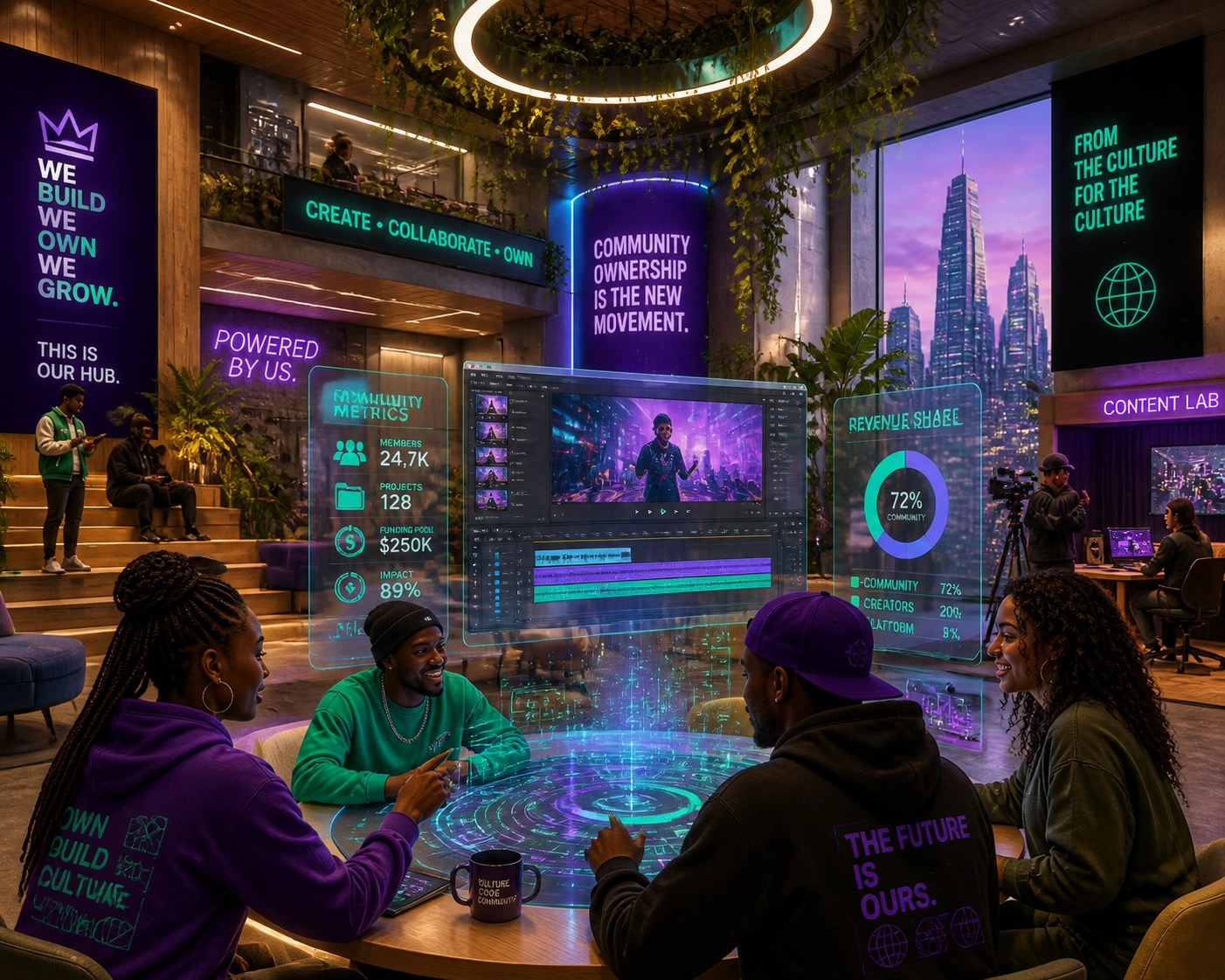
Right now, we are providing the content, the culture, and the clicks, but we don't own the servers. We’re still subject to "shadow-banning" and community guideline strikes that seem to target Black creators more than anyone else. To truly master digital journalism, we need to move from being "creators" to being "owners."
We need platforms that understand the nuance of our language, the urgency of our issues, and the value of our stories without trying to "sanitize" them for a corporate audience. We need to keep that "WorldStar" energy: that raw, unapologetic truth: but combine it with the strategic thinking and political awareness that our community needs to thrive.
Final Thoughts: Stay Woke and Stay Recording
The "WorldStar" era taught us that our lives are worth documenting. It taught us that we don't need permission to tell our stories. But as this space matures, we have to be more than just spectators. We have to be critical consumers.
When you see a clip, ask yourself: Why am I seeing this now? Who benefits from me being angry at this? And most importantly, how can we use this information to better our community?
Modern digital journalism is a tool. It can be used to build us up or it can be used to tear us down. I’m choosing to use it to build. At PolitiKan Broadcasting, that’s the mission. We’re taking the viral energy and giving it a purpose. Because at the end of the day, the shout shouldn't just be "WorldStar!": it should be "Power to the People."
Leave a Reply