
Have you ever wondered why your Twitter feed: or "X" if you’re being formal: looks more like a political town hall during a Lakers game than a traditional sports forum?
If you’ve been scrolling through Grindface TV or WorldStar lately, you’ve probably noticed that the highlights aren't just about the dunks or the touchdowns anymore. They’re about what the player said in the post-game interview regarding local housing, what brand of designer they’re rocking on the "tunnel walk," and how they’re using their platform to shift the culture. This morning, the data finally caught up to what we’ve been feeling on the streets of LA and across the West Coast: sports is no longer just a game. It has officially become our new "North Star" for culture, politics, and community.
I’ve been tracking these shifts closely because, at PolitiKan Broadcasting, we don't just look at the box score; we look at the "why." And right now, the "why" is shifting under our feet in a way that affects every one of us.
The New "Church": Why Sports is the New Cultural Glue
For a long time, the Black community found its heartbeat in three places: the church, the barbershop, and the music. While the barbershop still holds its own, traditional institutions are seeing a bit of a dip. Recent data shows that sports has actually surpassed religion and even music as the primary way Americans experience unity.
I’m seeing this in real-time. Think about it: when the Dodgers won or when we celebrated the life of Kobe at the Staples Center (I still can’t call it Crypto.com Arena, sorry), it wasn't just about a trophy. It was a shared experience that crossed zip codes and economic brackets. For us, sports is the one place where we can all agree on something: even if we’re arguing about who the GOAT is.
This shift is huge because it means the people holding the ball also hold the microphone for our most important issues. When ESPN or ABC7 LA covers a game, they’re now forced to cover the community surrounding that game. This is why you see segments on social justice or economic empowerment right next to the halftime stats. The game is the "hook," but the culture is the "meat."
The Gen Z Revolution: No More "Shut Up and Dribble"
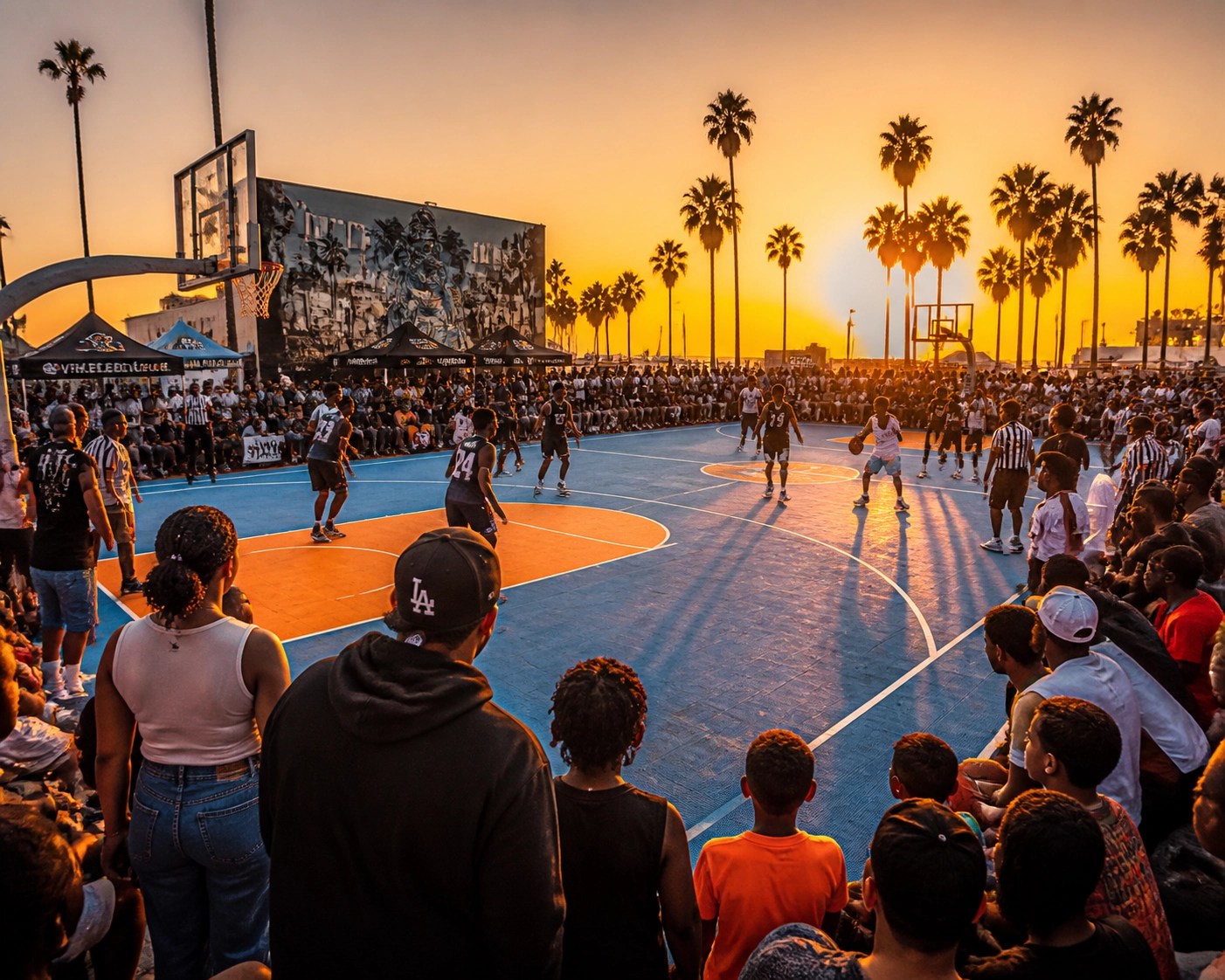
If you think the younger generation is just sitting on their couches watching four quarters of football, you’ve got it twisted. According to recent research, about 33% of Gen Z doesn't even watch live sports the way we used to. They aren't checking for the full broadcast on a Tuesday night; they’re looking for the viral clip on WorldStar or a breakdown on The Source.
This is a massive shift in how "the bag" is made. Gen Z doesn't want a passive experience. They want a conversation. They are gravitating toward the NBA over the NFL because the NBA feels more aligned with their values. We’re talking about a generation that demands "outspoken leaders." They want to know where an athlete stands on police reform, climate change, and Black excellence before they buy the jersey.
I love this move because it puts the power back in the hands of the players: and by extension, the community. The "shut up and dribble" era is officially dead and buried. If a league wants Gen Z’s money, they have to respect Gen Z’s mind. This is why 69% of Gen Z fans are asking for "cultural nights" at games. They want the stadium to reflect the neighborhood, not just the corporate sponsors.
The West Coast Connection: From the Streets to the Stadium
Living out here, we see the intersection of sports and culture differently. When you look at the synergy between West Coast Hip Hop and our local teams, it’s seamless. Whether it’s Kendrick performing at a championship celebration or local rappers being the first ones courtside, the line between the artist and the athlete has vanished.
But there’s a serious side to this, too. This morning’s shifts highlight how sports are being used to address issues like the "student-athlete" struggle. We’re seeing more data about how high school athletes are having to work jobs while maintaining their grades and their game. In our community, the "hustle" is real. We’ve always known that being an athlete isn't just a ticket out; for many, it’s a full-time job before they even get a diploma.
This is where the politics come in. When we talk about NIL (Name, Image, and Likeness) deals or the "Fair Pay to Play" acts that started right here in California, we’re talking about economic justice. We are finally seeing a world where a kid from Crenshaw or Watts can benefit from their own hard work without being exploited by a system that takes everything and gives back a "free education" that they barely have time to use.
Why the NBA is Winning the Culture War
If you look at the numbers, the NBA is currently the heavyweight champion of cultural relevance. While only 42% of general sports fans follow the league closely, over 58% of Gen Z is locked in. Why? Because the NBA understands the "vibes."
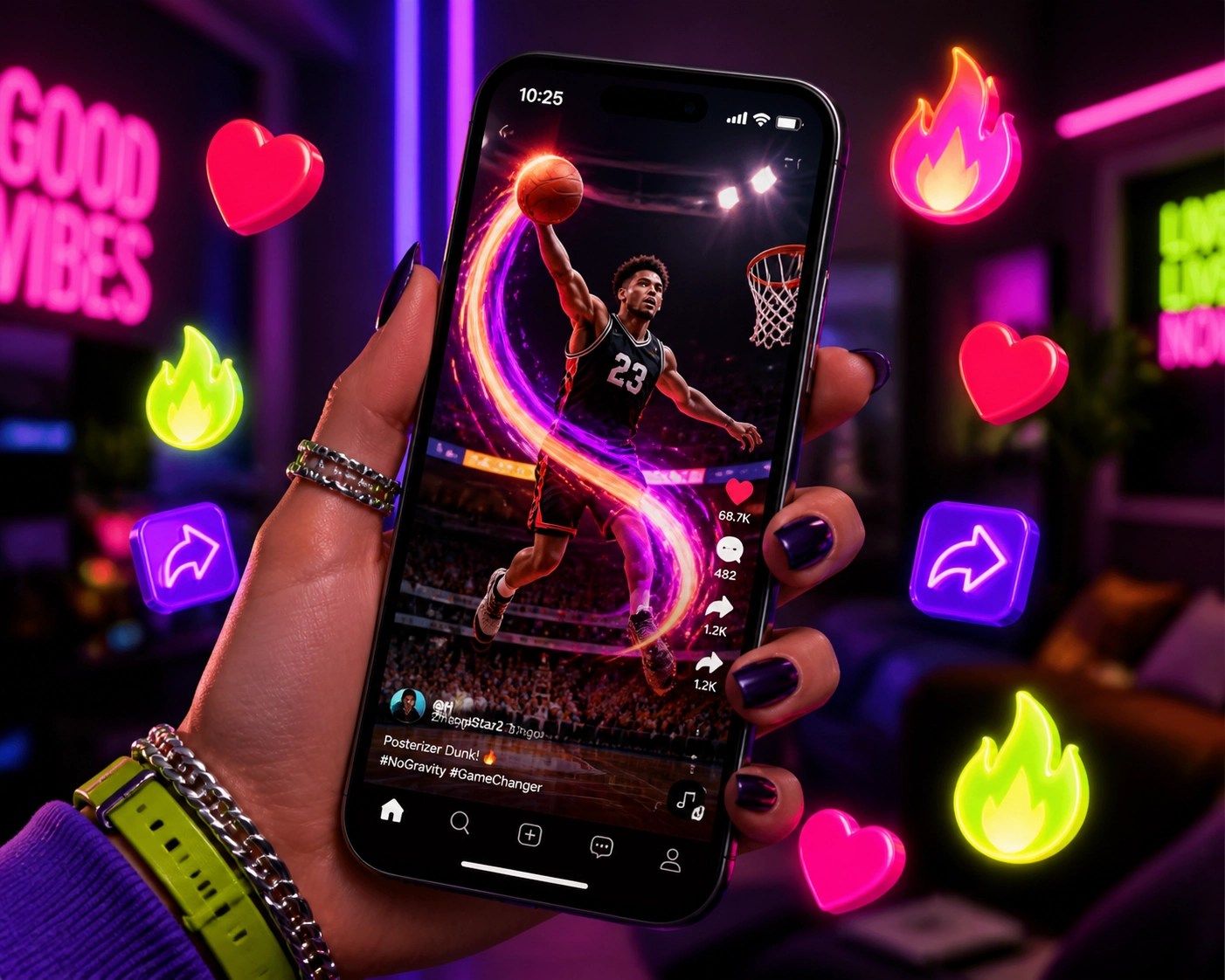
The NBA has leaned into the idea that their players are influencers, fashion icons, and activists. They’ve embraced the "short-form" world of the internet. They know that a 15-second clip of a crossover is worth more in 2026 than a three-hour broadcast was in 1996.
But more importantly, the NBA feels "blacker" and more authentic to urban culture. From the music played in the arenas to the way the league handles social issues, it feels like it’s part of the family. In contrast, other leagues often feel like they’re trying to catch up or, worse, trying to suppress the very culture that makes them profitable. As I always say, you can't have the rhythm without the blues: and the NBA is the only league that seems to understand the whole song.
The Political Stakes: Why You Should Care
You might be asking, "Penny, this is all cool, but why does it matter to me if I’m not a sports fan?"
It matters because sports is the "Trojan Horse" for policy. When a stadium is built in an urban neighborhood, it changes the property taxes, the policing, and the local economy. When an athlete speaks out about a DA race in LA, thousands of people who might not have voted suddenly pay attention.
We are seeing a shift where the "cultural center" is moving away from traditional news outlets and toward these integrated sports-culture hubs. If you’re getting your news from a mix of ESPN, The Source, and WorldStar, you’re part of a new electorate that is harder to ignore and harder to manipulate.
The incentives for these leagues to stay "woke" (and I use that term in its original, protective sense) aren't just moral; they’re financial. They know that if they lose the Black community and the youth, they lose their future. This gives us leverage. It means we can demand that these billion-dollar entities invest back into our schools, our businesses, and our infrastructure.
Keeping it 100: The Consequences of Ignoring the Shift
If we don't pay attention to these shifts, we risk being left behind in a world that is being redesigned in real-time. The "digital divide" is real, but so is the "cultural divide." Brands and politicians are already using this data to figure out how to talk to us. If we aren't aware of how our culture is being "packaged" and sold back to us through sports, we can't control the narrative.
I’m seeing a lot of conversation about athletes retiring earlier to focus on their mental and physical health. This is a huge cultural shift. For years, we told our young men to "tough it out" and "play through the pain." Now, seeing a superstar say, "My peace is worth more than this contract," is a revolutionary act. It gives permission to the brother working 40 hours a week to also prioritize his mental health. That’s the "why" that matters.
Bringing It Full Circle
So, to answer the question we started with: Why does your feed look like a political town hall during the game?
It’s because the game has officially become the town hall. We have reached a point where sports is the primary vehicle for our collective identity. It’s where we celebrate, where we mourn, and increasingly, where we organize.
Everyone is talking about these sports and culture shifts because they aren't just about sports anymore: they’re about us. They’re about how we see ourselves, how we spend our money, and how we demand respect in a world that often tries to sideline us.
So next time you see a trending topic about a trade or a halftime show, look a little deeper. There’s a message in the bottle, and it’s usually addressed to the community. Stay locked in, stay informed, and most importantly, stay "PolitiKan."
We’ll be right here to break it down for you every step of the way. What’s your take? Is the NBA really the new cultural HQ, or are we giving these leagues too much credit? Let’s talk about it.
Leave a Reply