

How do we stay ahead of the game when the news cycle moves faster than a surprise Kendrick Lamar drop on a Tuesday night?
Welcome back to the PolitiKan Guide. I’m your girl Penny, and I’m here to make sure you’ve got the receipts before you step into the group chat or the barbershop. We aren’t just talking about headlines; we’re talking about the "why" behind the what, especially when it affects our community, our pockets, and our culture. From the tension at the border to the beef in the NBA playoffs, I’ve got the breakdown you need to sound like the smartest person in the room.
1. Neighbors Looking Sideways: The Canada-U.S. Drift
You know that friend who usually has your back, but lately, they’ve been leaving you on "read"? That’s apparently the vibe between the U.S. and Canada right now. A new poll from POLITICO found what they’re calling "unrequited hatred" defining the relationship.
Usually, we think of Canada as our polite neighbor to the north that just wants to play hockey and mind their business. But the data shows that Canadians are starting to resent us, and the feeling is becoming mutual in some political circles.
Why it matters:
This isn’t just about hurt feelings. We share a massive border and a ton of trade. If things get sour, it affects the prices of things we import, how easily we can travel, and how we handle big-picture stuff like defense. When the two biggest kids on the block stop getting along, the whole neighborhood feels the tension. In our community, we know that when "security" becomes an issue at any border, it usually leads to more policing and more headaches for people of color.
2. Who’s Watching the Watchmen? The Section 702 Fight
The GOP is currently splitting down the middle over something called Section 702. Now, don't let the legal jargon put you to sleep: this is about your privacy. Section 702 is a "spy power" that lets the government collect foreign communications. The catch? Americans’ data gets swept up in that net all the time without a warrant.
The White House wants to keep these powers exactly as they are. But a group of Republicans is actually pushing back, worried about privacy and government overreach.
The PolitiKan Perspective:
Historically, surveillance powers haven’t been our friend. From the FBI’s COINTELPRO targeting our leaders in the 60s to the way social media is monitored today, we know that "spy powers" are often used to keep tabs on the culture. If the people in power can’t even agree on how to use these tools fairly, it’s a red flag. I’m keeping a close eye on this because "foreign intelligence" can quickly turn into "checking up on the locals" if there aren't any rules in place.
3. Rockets vs. Reefs: Florida’s Space Race
Down in Florida, the space industry is booming. Companies like SpaceX are launching rockets like they’re trying to catch an Uber to the moon. But local folks: scientists, environmentalists, and commercial fishers: are saying, "Hold up."
They’re worried the noise, the heat, and the chemicals from these launches are wrecking the local ecosystem. Fishers are literally saying their businesses are sinking because they can’t get to the spots they’ve worked for generations.
Why it matters:
It’s the classic story of "progress" vs. "the people." We see it in our own neighborhoods with gentrification: new buildings go up, "innovation" is the buzzword, but the people who actually live there get pushed out or lose their livelihoods. Space exploration is cool, but if it costs us our oceans and our local economies, we have to ask who it’s really for. Rich folks getting to Mars doesn’t help the brother trying to keep his fishing boat afloat in the Keys.
4. The Tariff Trap: Why Your Shoes Might Cost More
Let’s talk about the bag. Trump economic adviser Kevin Hassett is currently in a heated battle with the Federal Reserve. Why? Because the Fed put out a paper saying that when the U.S. puts tariffs (taxes) on foreign goods, it’s actually us: the consumers and businesses: who end up paying the bill, not the foreign countries.
Hassett called it the "worst paper" he’s ever seen and even suggested the staff should be disciplined.
The Breakdown:
A tariff is basically a surcharge on imported goods. If it costs more for a store to get a pair of sneakers from overseas, they don't just eat that cost: they pass it on to you. I’m telling you this because inflation is already hitting us hard. When politicians try to bury the data that shows we’re the ones paying for their trade wars, they’re playing with our lunch money. We need the facts, not the spin.

5. Health Care and the Politics of the "Wall"
In New York, Governor Kathy Hochul is trying to make sure low-income people and noncitizens can keep their health insurance. But she’s hitting a major wall with the GOP in Congress. This is a huge debate about who "deserves" care and who pays for it.
The "Why":
In our community, we already deal with massive health disparities. When politicians start stripping away coverage for the most vulnerable among us, it creates a domino effect. If people can’t get preventative care, they end up in the ER, which costs the taxpayers more in the long run. Plus, it’s just about basic humanity. Using someone's health as a bargaining chip for immigration policy is a low blow.
6. The DOT is Tying Up the Bus Money
Speaking of immigration, the Department of Transportation (DOT) is reportedly looking to block transit money for states that provide aid to migrants. They want to put this language into a big highway bill.
Why this is wild:
They’re basically saying, "If you help people in need, we’re going to let your roads crumble and your buses stop running." This is a scary precedent. Using infrastructure money: money that’s supposed to help everyone get to work and get home safely: as a weapon to enforce political views on immigration is out of pocket. It hits urban areas the hardest because we rely on public transit the most.

7. Court Orders and Chaos in New Jersey
The Department of Justice (DOJ) just admitted they’ve been violating dozens of court orders in New Jersey. This is happening because the immigration courts are so backed up and overwhelmed that the system is literally breaking down.
The Reality Check:
When the government itself can’t follow the law, how are the rest of us supposed to have faith in the system? This shows that the immigration crisis isn't just about the border; it’s about a massive administrative failure. If they can ignore court orders for migrants, what’s stopping them from ignoring them for anyone else? It’s a slippery slope that usually ends with the people at the bottom getting crushed.
8. Sports & Culture: The West Coast Energy
We can’t talk about the news without hitting the court and the stage. The NBA playoffs are heating up, and the energy in LA is through the roof. Whether you’re a Lakers fan through the pain or you’re watching the Clippers try to make a statement, the stakes have never been higher.
In the music world, the West Coast is currently having a renaissance. We’re seeing a shift back to that authentic storytelling and heavy bass that defined us. It’s more than just songs; it’s the heartbeat of the streets. When we see our artists and athletes winning, it boosts the morale of the whole community.

9. The New Hampshire Bellwether
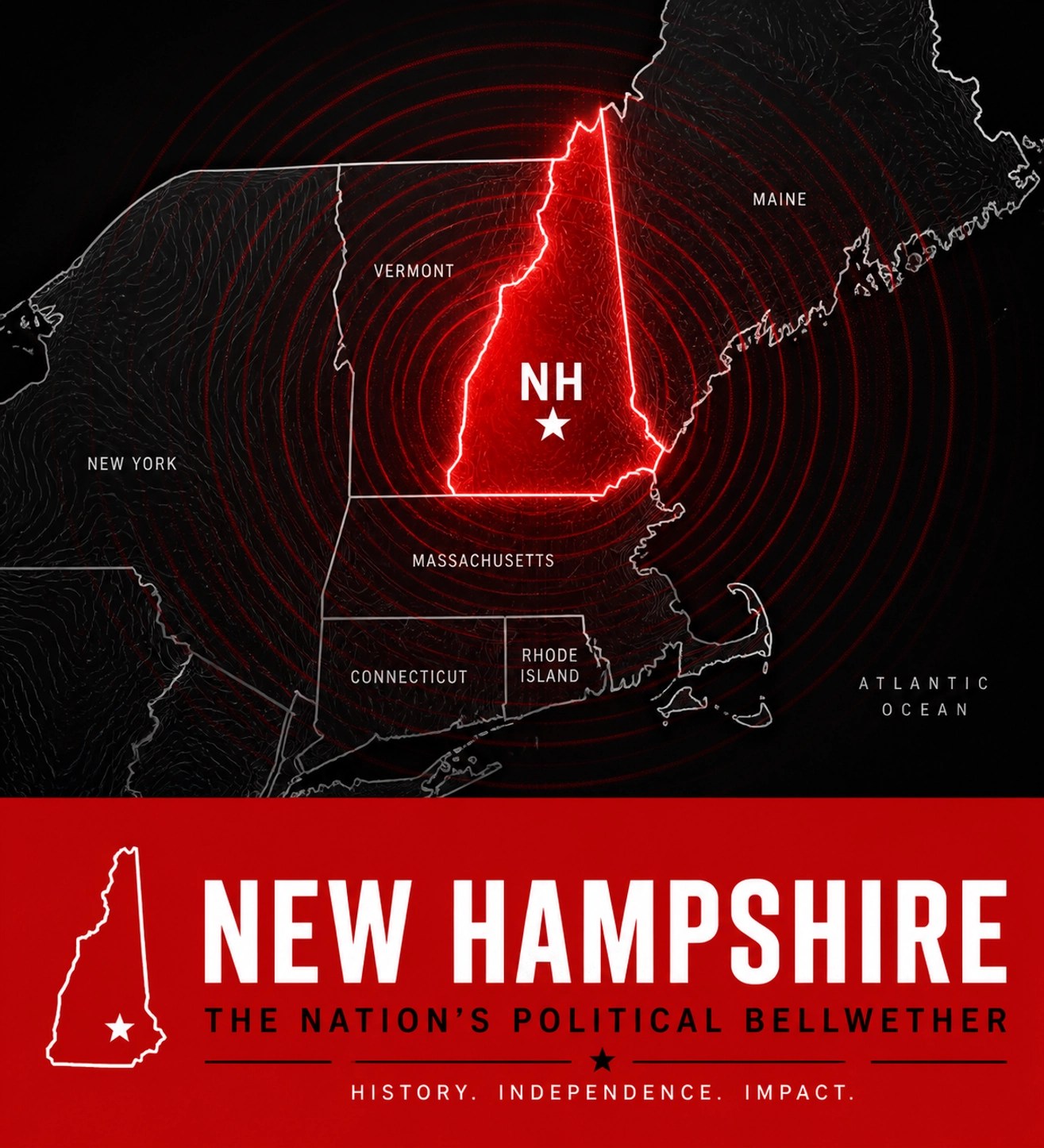
Lastly, keep an eye on the New Hampshire governor's race. Republican Kelly Ayotte just got a major Democratic challenger, Cinde Warmington.
Why you should care:
New Hampshire is a small state, but it’s a "bellwether": a sign of things to come. How people vote there usually tells us how the rest of the country is feeling about things like the economy, healthcare, and social justice. It’s like the "early reviews" of a movie; it tells us if the vibe is shifting nationwide.
The Final Word
So, how do we stay ahead of the game when the news cycle moves faster than a Kendrick Lamar surprise drop?
The answer is simple: We stop looking at the news as just "events" and start looking at it as a series of choices that affect our lives. Whether it’s a "spy power" that threatens our privacy, a tariff that raises the price of our gear, or a politician holding transit money hostage, these things are connected.
By understanding the "why" behind these stories, we aren't just consumers of information: we’re participants in the conversation. We stay ahead by staying informed, staying skeptical of the spin, and keeping our eyes on the bag and the community.
Stay tuned to PolitiKan Broadcasting for the real talk, every day. I’m Penny, and I’ll catch you in the next one. Stay woke, stay blessed, and keep your head in the game.


Leave a Reply