
Why do we wake up and tune into the 9AM PolitiKan Report when our feeds are already blowing up with highlights, memes, and breaking news alerts from the moment we open our eyes?
It’s a valid question. Between the chaos on Grindface TV and the non-stop scroll of ESPN, it’s easy to feel like we’ve seen it all by breakfast. But here’s the thing: seeing a clip isn’t the same as understanding the play. I’ve realized that in 2026, information is cheap, but insight is expensive. We don’t just need to know what happened; we need to know why it’s happening to us and how it’s going to affect our pockets, our neighborhoods, and our culture.
That’s why I do this. The 9AM PolitiKan Report isn’t just a summary; it’s a strategy session. Let’s dive into what’s moving the needle today.
The NBA Playoff Push and the Sovereignty of Black Wealth
We are deep into May, and the NBA playoffs are heating up. If you’ve been watching ABC7 or keeping an eye on the ESPN ticker, you know the Lakers and the Clippers are at the center of the conversation here on the West Coast. But I want to look past the box scores for a second.
We’re seeing a shift that I find fascinating: the league is moving away from the "super-team" era and into an era of player-centered branding and extreme financial sovereignty. When we see guys like Anthony Davis or even the younger stars in the league signing these quarter-billion-dollar extensions, we shouldn't just look at it as "another athlete getting rich."
The "why" behind these massive deals matters because these athletes are becoming high-velocity generators of Black wealth. In the past, that money stayed in the hands of the owners: most of whom don’t look like us or live in our communities. Today, we’re seeing players leverage their capital to buy into real estate, tech startups, and even sports ownership groups.
When a superstar on the Lakers secures a bag that big, it ripples through the local economy. It affects the businesses they support, the foundations they fund in South LA, and the leverage they have to speak on political issues without fear of being "canceled" by a sponsor. Wealth is the ultimate shield, and seeing our athletes build that shield is a win for the whole community.
The LA28 Countdown: Allyson Felix and the Politics of the Block
Speaking of shields, let’s talk about the legendary Allyson Felix. The news is swirling about her potential involvement: or even a comeback role: for the LA28 Olympics. Now, on the surface, that’s a beautiful sports story. A hometown hero representing the city on the world stage? I’m here for it.
But I’m also looking at the fine print. The LA28 Olympics are only two years away, and the infrastructure projects are hitting the ground hard. If you live in Inglewood or around the Coliseum, you’ve seen the orange cones and the rising rent prices.
I believe Felix’s presence is more than just a PR move for the Olympic committee. She has spent the last few years being a fierce advocate for Black maternal health and athlete rights. By having her at the center of the LA28 narrative, our community gains a credible advocate who actually understands what’s at stake.
The "why" here is simple: visibility. If we don’t have voices like Felix at the table, the Olympics will happen to us instead of for us. We’re talking about massive policing shifts, zoning changes, and public funding that could either uplift our neighborhoods or push us further out. I’m keeping a close eye on this because the politics of the Olympics are the politics of our backyard.
The Ownership Era: From WorldStar Clips to Media Moguls
I was scrolling through WorldStar and The Source this morning, and it hit me how much the game has changed. We used to be the consumers of the culture, while someone else owned the platform. Now, the line between the talent and the owner is completely blurred.
We’re seeing more West Coast rappers and athletes launching their own labels, management agencies, and media houses. They’re tired of the "old guard" telling them what’s hot. This is why platforms like PolitiKan Broadcasting matter. We don’t need a middleman to translate our culture for a mainstream audience.
The reason this trend is so vital is that it creates an ecosystem of ownership. When a rapper from Crenshaw owns his masters, his publishing, and the platform he uses to promote his music, he’s not just an artist; he’s an institution. That’s how you build generational wealth that doesn't disappear when the trends change.
I love seeing these crossovers. When you see an NBA player sitting front row at a fashion show for a brand owned by a rapper, that’s not just a photo op: that’s a board meeting. They are aligning their interests to ensure that the culture they create stays under their control.
Why "Stick to Sports" is a Dead Argument
I still hear people: mostly on the more conservative news outlets: saying that athletes and entertainers should "stick to sports" or "just stick to the music." Honestly, it makes me laugh. In 2026, that argument is not only tired; it’s dangerous.
For the Black community, sports and music have always been our primary communication channels. When traditional institutions ignore our struggles or silence our voices, the halftime show or the post-game interview becomes our microphone.
Take a look at what’s happening in the political landscape right now. We are heading into another major election cycle, and you better believe the political machines are courting our favorite artists and athletes. Why? Because they know that a single post from a trusted voice in the culture carries more weight than a million-dollar ad campaign on CNN.
The "why" behind the political athlete is simple: survival. We don’t have the luxury of separating culture from politics because policy affects every aspect of our lives: from how we are policed to how our schools are funded. When a player speaks up about social justice, they aren't "distracted"; they are using their platform to defend their community.
The Knicks and the Cultural Bridge to the West
I know we’re a West Coast-focused house, but we have to give credit where it’s due. The energy coming out of New York with the Knicks lately is something we can’t ignore. Why does a team in NYC matter to us in Cali? Because Madison Square Garden is a cultural barometer.
When the Garden is rocking, the whole energy of urban culture shifts. It affects what’s being played in the clubs, what brands are trending, and how the media talks about "grit" and "hustle." This current Knicks team isn't about the flashy superstar era; they’re about chemistry and toughness.
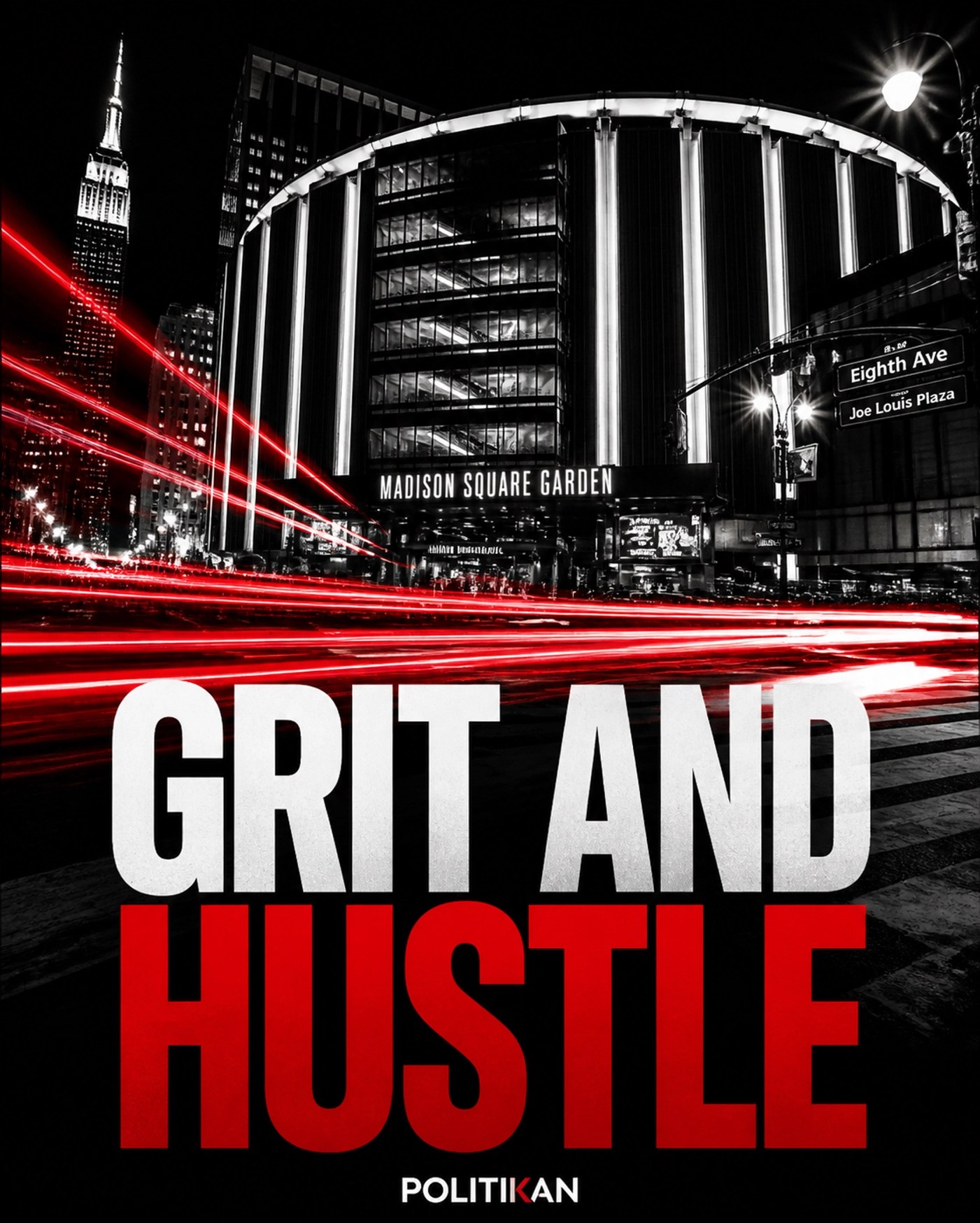
That’s a vibe that resonates out here too. It’s that blue-collar, "get it out the mud" mentality that defines the best of West Coast Hip Hop. Watching the East Coast embrace that identity reminds us that despite the geographic distance, the core values of our culture: loyalty, hard work, and authenticity: remain the same.
Media Literacy: Checking the Source
Finally, I want to talk about how we consume this news. Between Grindface, ESPN, and ABC7, you’re getting three very different versions of the truth.
- ESPN gives you the corporate, sanitized version of the game.
- ABC7 gives you the "local news" lens, which often leans into fear-based reporting when it comes to urban areas.
- Grindface and WorldStar give you the raw, unfiltered street view: sometimes too raw.
The "why" behind checking multiple sources is about protecting your mind. You have to be able to sift through the spin to find the substance. Don't let a headline dictate your mood or your opinion. Look for the common threads, follow the money, and always ask yourself: Who does this story benefit?

We have to be our own editors. In a world of AI-generated content and deepfakes, your lived experience and your ability to think critically are your greatest assets. That’s why we do the 9AM report: to give you the tools to build your own perspective.
So, to answer the question we started with: Why do we care about the 9AM PolitiKan report when the internet never sleeps?
We care because we refuse to be just spectators in our own lives. We tune in because we know that a box score can tell us who won, but it can’t tell us how to win. We care because we understand that the intersection of sports, culture, and politics is where the real power lives.
The 9AM PolitiKan Report matters because it reminds us that it’s never "just" a game and it’s never "just" a song. It’s our life, it’s our economy, and it’s our future. Now, let’s go out there and make the most of it. I’ll see you tomorrow at 9.


Leave a Reply