

How do you stay ahead of the cultural curve when the internet moves faster than a 100-yard dash at the NFL combine?
If you’ve ever scrolled through your feed at 6 PM only to realize you’ve missed three major Twitter wars, a surprise album drop, and a viral sports trade, you know the feeling of being "late to the party." In our community, being late isn't just about missing a joke; it’s about being out of the loop on conversations that dictate our financial moves, our political stances, and our social currency.
At PolitiKan Broadcasting, I’ve realized there’s a science to the "Daily Culture Trend." There is a specific window: right around 2 PM: where the noise of the morning settles into the narratives of the evening. This is the "Golden Hour" of information. I’m going to break down how I navigate this digital landscape using the heavy hitters: Grindface TV, WorldStar, CNN, ABC7 LA, The Source, and ESPN.
The 2 PM Sweet Spot: Why Time Matters
You might wonder why I’m obsessed with 2 PM. Think about it: the East Coast is heading into the final stretch of the workday, and the West Coast is just getting back from lunch. By 2 PM PST, the morning’s breaking news has been digested, the memes have been cooked, and the primary "narrative" has been established.
If I check the news at 9 AM, I’m getting raw, unedited chaos. If I check it at 2 PM, I’m getting the "why" behind the "what." This is when I can see if a viral clip on Grindface is actually a symptom of a larger policy issue being reported on ABC7. It’s about connecting the dots.
The Raw Pulse: Grindface TV and WorldStar
When I want to see what’s happening on the pavement: the stuff that the mainstream news won't touch until it's "sanitized": I go to Grindface TV and WorldStar.
Grindface is where the West Coast truly breathes. It’s more than just "crash out" videos; it’s a mirror held up to our neighborhoods. When I see a video of a street takeover or a local vendor being harassed, I don’t just look at the action. I look at the comments. That’s where the real culture trend lives. Are people fed up? Are they cheering?
WorldStar, on the other hand, is the global town square for the "wild." While it has evolved over the years, it remains a primary source for music premieres and cultural flashpoints. If a new artist from Crenshaw is bubbling, WorldStar is the litmus test. I use these platforms to gauge the "vibe" of the youth. If the youth are moving in a certain direction by 2 PM, the rest of the world will follow by tomorrow morning.

The Source: Keeping the Beat of the Streets
By 2 PM, The Source has usually updated its digital cover with the latest in hip-hop. In 2026, music isn’t just about the melody; it’s about the politics of the industry. I’m looking for who’s staying independent and who’s signing those "new age" deals that look suspiciously like the old ones.
When I read The Source, I’m looking for the intersection of music and activism. We’ve seen a shift where rappers are becoming the primary political mouthpieces for the Black community. If a major figure drops a statement about local elections or social justice, The Source breaks it down with the cultural nuance it deserves. I pay attention to the "why" here. Why did this artist choose today to speak? Is there a project dropping, or is the community genuinely at a boiling point?
ESPN: The Cultural Impact of the Game
Don’t get it twisted: sports news isn't just about scores. In our community, sports are synonymous with upward mobility and social influence. By 2 PM, the ESPN cycle for the NFL, NBA, and MLB is in full swing.
I’m looking at the NFL off-season drama or the NBA playoff stakes through a specific lens: how does this affect our icons? When an athlete takes a stand on a social issue, ESPN provides the platform, but we provide the context. I also keep a close eye on MLB’s increasing efforts to re-engage Black youth in the sport. There’s a cultural trend there regarding the "gentrification" of sports: who gets to play, who gets to own, and who gets to broadcast.

CNN and ABC7 LA: The Hard Truths
This is where things get serious. To master the culture, you have to understand the systems that govern it. I use CNN for the national "big picture" and ABC7 LA for the local "boots on the ground" reporting.
By 2 PM, the daily briefings are over, and the real analysis begins. If there’s a bill moving through the California legislature that affects housing in Black neighborhoods, ABC7 is where I find the details. I don’t just read the headline; I look for the incentives. Who benefits from this law? Why are they pushing it now?
I use CNN to track how the national media is framing the Black experience. Often, there’s a gap between how we see ourselves and how the national news portrays us. Mastering the trend means identifying that gap and filling it with truth for my audience at PolitiKan Broadcasting.
Connecting the Dots: A Case Study
Let’s look at how I would synthesize a typical 2 PM trend cycle.
- 1:00 PM: I see a clip on Grindface of a small business owner in Leimert Park frustrated with new zoning laws.
- 1:15 PM: ABC7 LA reports on a "beautification project" in the same area.
- 1:30 PM: I check The Source and see a local rapper speaking out against displacement in that neighborhood.
- 1:45 PM: ESPN mentions a major athlete is investing in real estate in South LA.
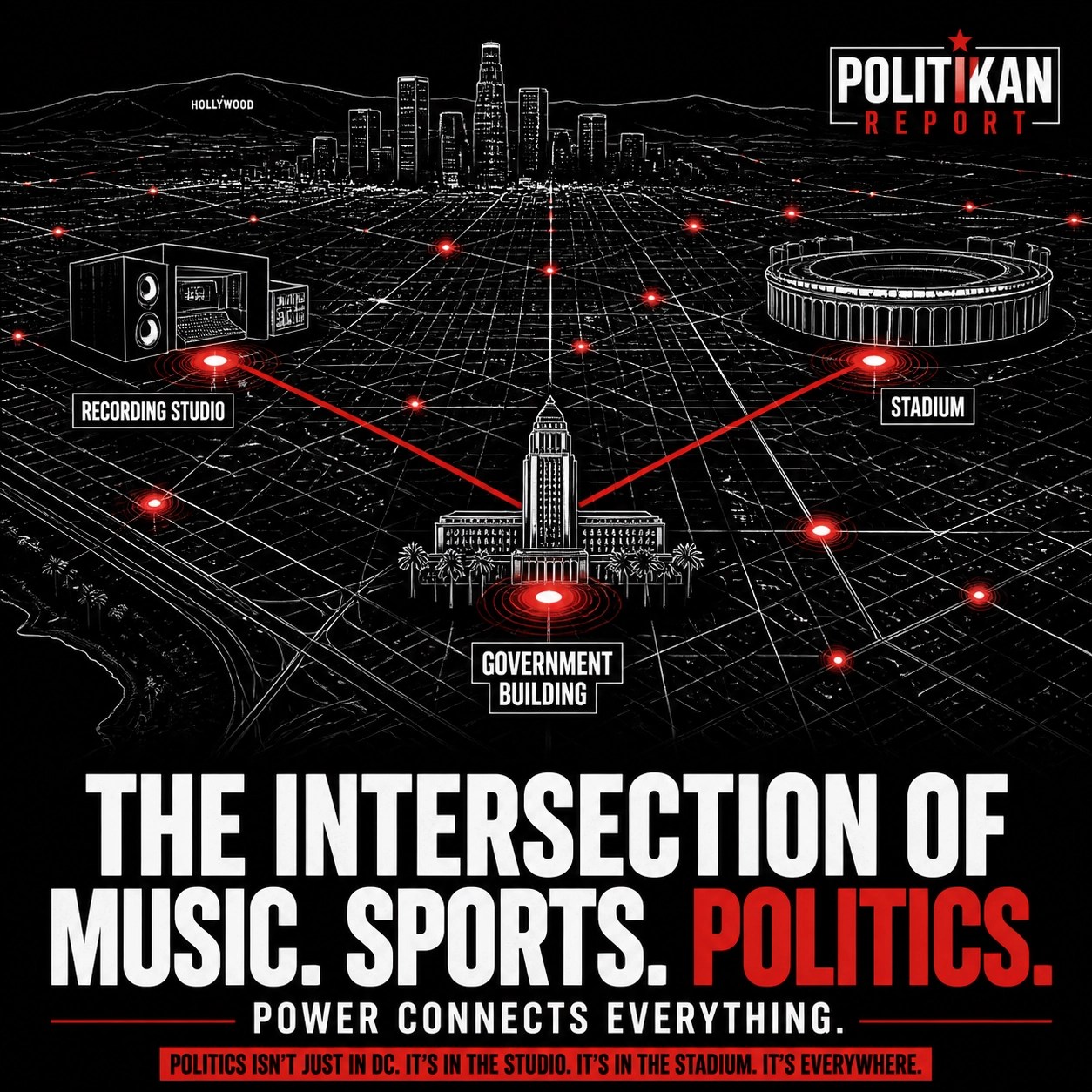
- 2:00 PM: I realize the "trend" isn’t just a viral video: it’s a multifaceted story about gentrification, community resistance, and the power of Black capital.
By understanding the "why" behind these disparate pieces of information, I can create content that actually matters. I’m not just reporting news; I’m providing a roadmap for the community.
How to Filter the Noise
The internet is a firehose. If you try to drink from it directly, you’ll drown. To master the 2 PM cycle, you need a filter.
First, ignore the "engagement bait." If a post on WorldStar is clearly designed just to make you angry, skip it. Look for the stories that have legs. Second, follow the money. Whether it’s an NFL contract or a local government grant, money is the most honest indicator of where a trend is going. Third, stay grounded in the West Coast experience. Our perspective is unique, and it’s often the blueprint for the rest of the world.
I always tell people: don't just be a consumer of the culture; be a student of it. When you understand the mechanics of how a story breaks, you stop being a victim of the algorithm and start being a master of the narrative.

Speaking on What Matters
At PolitiKan Broadcasting, we don't have the luxury of just being "entertainers." Our community is facing real challenges: from the political landscape of 2026 to the economic shifts that threaten our legacy. When I write these posts, I’m always thinking about the brother or sister who is working a 9-to-5 and doesn't have time to scour six different news sites.
My job is to distill that information. If a trend is popping off at 2 PM, I’m asking: "Does this help us grow? Does this protect our culture? Or is this just another distraction?" We have to be intentional with our attention. Our attention is a commodity, and the tech giants are getting rich off it. I want to make sure that if you’re giving your time to a trend, you’re getting something of value in return.
The Power of the Pivot
Finally, mastering these trends requires the ability to pivot. Sometimes, the news we expect isn't the news we get. A sports trade might get overshadowed by a political scandal. A music drop might be silenced by a tragedy.
Being an "insider" means having the emotional intelligence to handle these shifts. We stay professional, we stay respectful, but we always keep it "thoro." We don't shy away from the hard conversations, and we don't sugarcoat the truth. That’s the PolitiKan way.
So, how do you stay ahead of the curve when the internet moves faster than a 100-yard dash?
You do it by being intentional, by watching the 2 PM "Golden Hour," and by looking past the viral surface to the systemic "why" underneath. When you stop chasing the news and start analyzing the patterns, you don't just follow the culture( you lead it.)


Leave a Reply