

Is the "win at all costs" mentality in professional sports and hip hop truly helping our community, or is it just another way for the system to extract value from us while we ignore the cracks in our own foundation?
It’s 11:30 AM in Los Angeles, and the sun is finally burning through that morning layer of May gray. If you’re like me, you’ve already been through three cups of coffee, scrolled through a hundred Grindface clips, and checked the ESPN ticker more times than you’d care to admit. But here at PolitiKan Broadcasting, we don’t just look at the headlines for the scores or the gossip; we look at them to see where the culture is moving and who’s trying to steer the ship.
Today is Friday, May 8, 2026. The weekend is calling, but the news cycle is screaming louder. Let’s break down what’s actually happening on the streets, on the court, and in the booths.
The Lake Show’s Life Support: NBA Playoff Pressure
If you’ve been watching the Western Conference Semifinals, you know the vibes are heavy in the city right now. The Lakers are currently staring down a 2-0 deficit against the Oklahoma City Thunder. I was watching the highlights on ABC7 LA this morning, and the narrative is already shifting from "can they win" to "who are we blaming?"
The Thunder beat the Lakers 125-107, and it wasn't just a loss; it was a track meet where our legends looked like they were running in work boots. But here’s the "why" behind the box score: the NBA is in the middle of a massive generational shift. We’re seeing the "Old Guard": the icons who have defined the Black athlete’s role in the social justice space for a decade: being physically overtaken by a younger, faster, and more data-driven generation.
I’ve been thinking about what this means for us. When the Lakers lose, the economy of the Staples Center (I still call it that, don't mind me) and the surrounding Black-owned businesses in DTLA take a hit. Playoff runs aren't just about rings; they’re about the vendors, the barbershop debates that drive traffic, and the morale of the neighborhood. When we see our icons struggle, it reflects that anxiety we all feel about staying relevant in an era that moves faster than we can sometimes pivot.
Hip Hop’s Political Pivot: The Source and the Sound
Moving over to the music side of the house, The Source is reporting a major move from some of our West Coast heavyweights. We aren’t just talking about diss tracks and fashion lines today. There’s a growing movement among top-tier artists to leverage their streaming equity to fund local community land trusts.
I’ve been preaching this for years: ownership is the only music that sounds good in the long run. We see artists like Kendrick and Nipsey’s estate continuing to set the blueprint, but now, the mid-tier artists are catching on. They’re realizing that being "hot" on WorldStar for forty-eight hours doesn't pay the property taxes on a studio in Inglewood.
The "why" is simple. The industry is tightening up. With AI-generated music flooding the market and streaming payouts being what they are, the only way for Black creatives to survive is to own the ground they stand on. I’m seeing more rappers show up at City Council meetings than at club appearances lately, and honestly? That’s the most "hip hop" thing I’ve seen in years. We’re moving from being the entertainment to being the stakeholders.
Viral Culture and the "Crash Out" Phenomenon
If you hopped on Grindface TV or WorldStar this morning, you probably saw at least three videos of people "crashing out": senseless violence or public outbursts that get millions of views. It’s the darker side of our digital culture that we have to address.
I see these videos and I see trauma being monetized. Why does a video of a fight in a fast-food parking lot go viral while a video of a community garden project in South Central gets buried by the algorithm? It’s because the system is designed to reward the most high-vibrancy, high-stress content. It keeps us in a state of fight-or-flight, making us easier to market to and harder to organize.
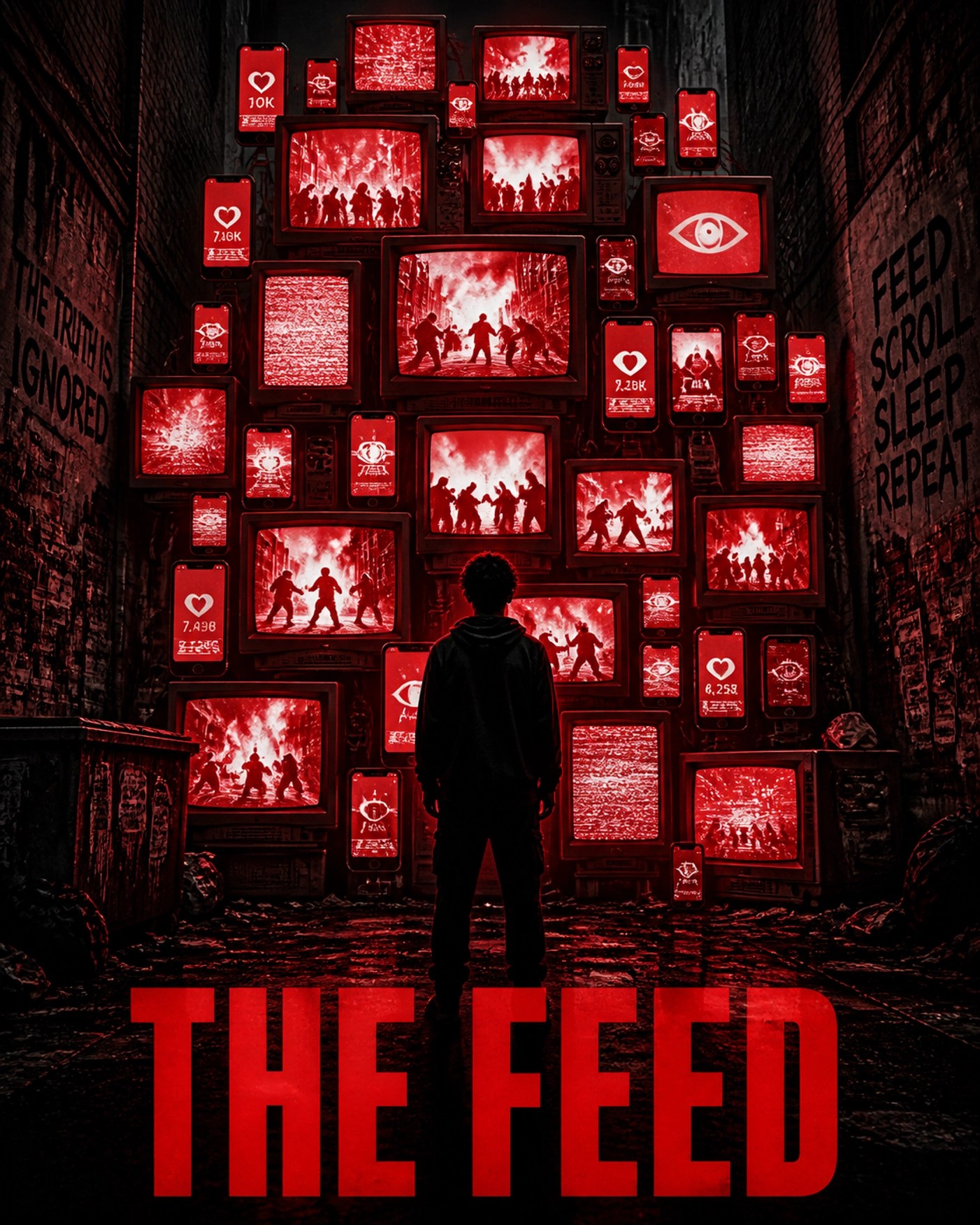
We have to be careful about what we consume at 11:30 AM. If your morning diet is nothing but chaos, your afternoon is going to be filled with anxiety. At PolitiKan, I’m trying to flip that script. We acknowledge the reality of the streets, but we question the incentive. Who profits when we look like we can’t coexist? Usually, it’s the platforms that don’t look like us.
MLB: The Dodgers and the Price of the "Experience"
Over at Dodger Stadium, the season is in full swing. But let’s talk about the ESPN reports regarding ticket prices and the "gentrification of the bleachers." I love the Dodgers as much as the next person born and raised in this city, but we have to look at how the professional sports experience is pricing out the very community that created the culture around it.
When it costs a week’s wages to take a family of four to a game, the stadium stops being a community hub and starts being an elite playground. This is a political issue. When public funds or tax breaks are used for these venues, the community should have a guaranteed seat at the table: and in the stands. We’re seeing a shift where the "culture" is used to sell the brand, but the people who live that culture are being pushed further back into the nosebleeds.

I'm watching the MLB transactions closely, too. We’re seeing a slight uptick in Black youth participation in baseball programs across the country, but the barrier to entry remains the cost of travel ball and elite coaching. If we want to see more of us on that diamond, we have to invest in the municipal parks, not just the professional stadiums.
The NFL Off-Season: Power Moves and Policy
Even though it’s May, the NFL is never out of the headlines. The Source and ESPN are both buzzing about the latest round of rookie minicamps. But the real story I’m following is the push for more Black representation in the front offices.
We’ve had the "Rooney Rule" for years, but we know how that goes: it’s often a box-checking exercise. The real power isn't just on the sidelines; it’s in the rooms where the contracts are written and the land deals are made. I’m seeing a new wave of retired players using their capital to buy into ownership groups. This is crucial because when we have a seat at the ownership table, we can influence how these multi-billion dollar organizations interact with the Black neighborhoods they often sit right in the middle of.
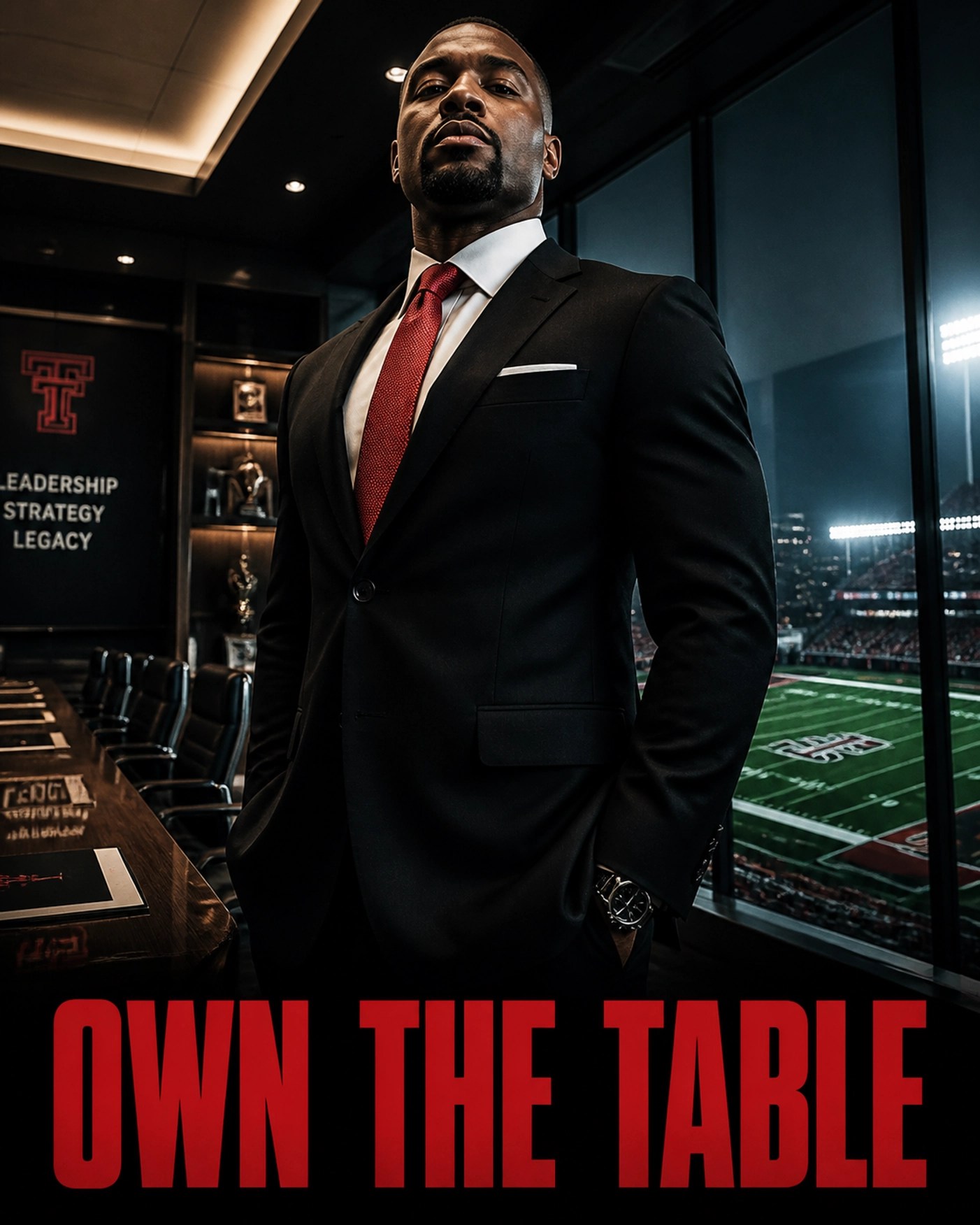
Why does this matter to you? Because the NFL is the most powerful cultural engine in American sports. If that engine starts running on a fuel that includes community reinvestment and fair hiring practices, the ripple effect goes all the way down to the high school locker room.
The 11:30 AM Reality Check
So, let's bring it back home. We’ve looked at the Lakers’ struggle, the shift in Hip Hop ownership, the trap of viral trauma, and the gatekeeping in MLB and the NFL. What’s the common thread? It’s the realization that "culture" isn't just something we consume: it’s something we have to protect and manage.
CNN and ABC7 might give you the "what," but you have to come to places like PolitiKan to get the "so what." We are living in a time where our influence has never been higher, but our actual ownership of that influence is under constant threat. Whether it’s an NBA star or a local rapper, the pressure to perform for the "system" is immense.
We have to be intentional. Support the artists who are buying back the block. Demand that our sports teams reflect the diversity of the fans who pay their salaries. And for the love of the culture, stop sharing the "crash out" videos that only serve to dehumanize us.
Now, let's go back to that question we started with: Is the "win at all costs" mentality helping us, or is it extracting value from us?
The answer is that the "win at all costs" mentality only works if "the cost" isn't our community's well-being. When we chase the win: whether it’s a championship ring or a viral hit: without considering the systemic gatekeeping we’re operating within, we end up winning for someone else’s team. True winning in our culture today means slowing down, looking at the 11:30 AM headlines with a critical eye, and making sure that every move we make builds a foundation that the next generation won't have to fight so hard just to stand on.
Keep your head up, keep your vibrations high, and remember: if you don't define the culture, the system will define it for you.
I’ll catch you on the next breakdown. Stay PolitiKan.
Leave a Reply